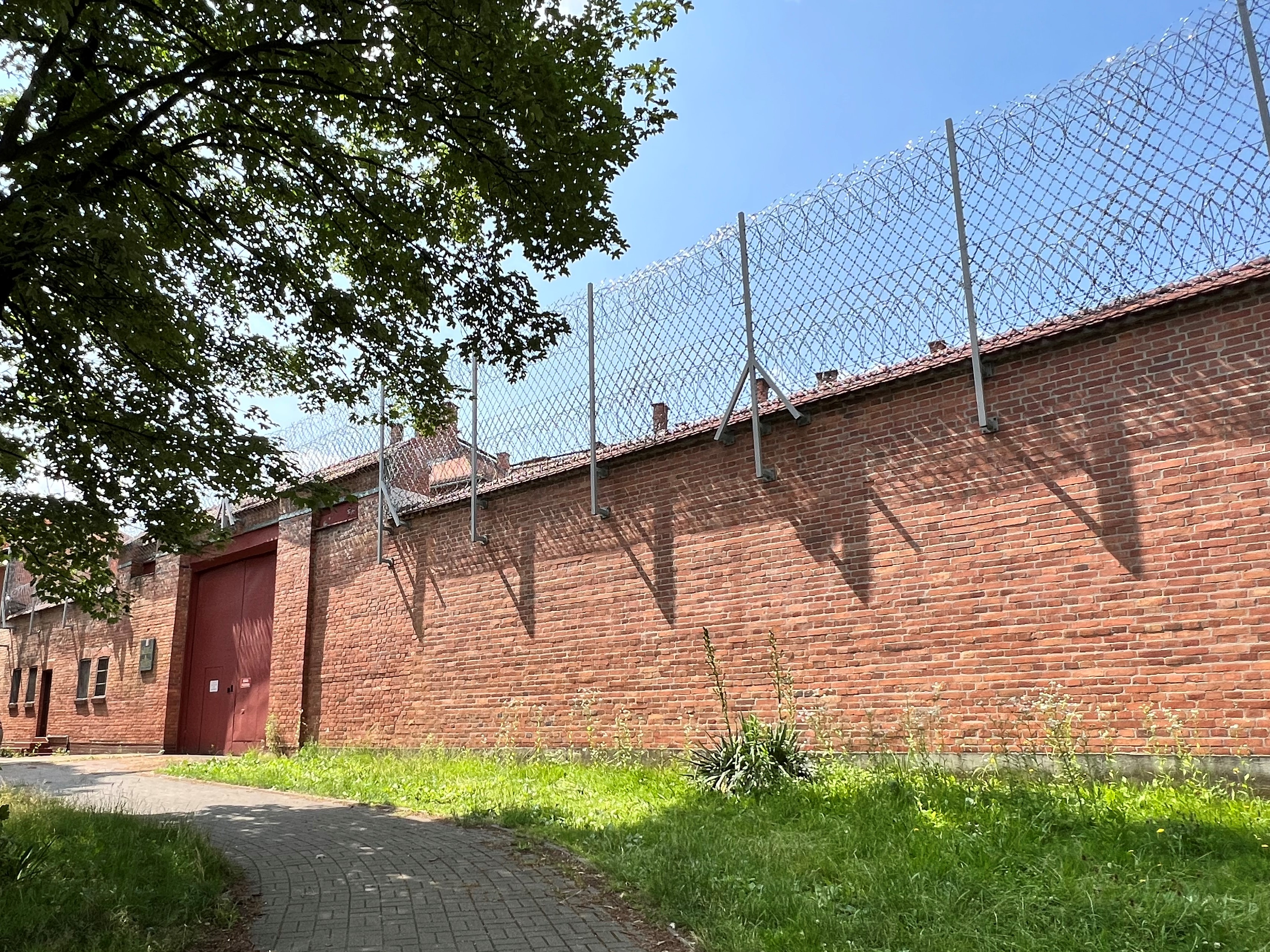
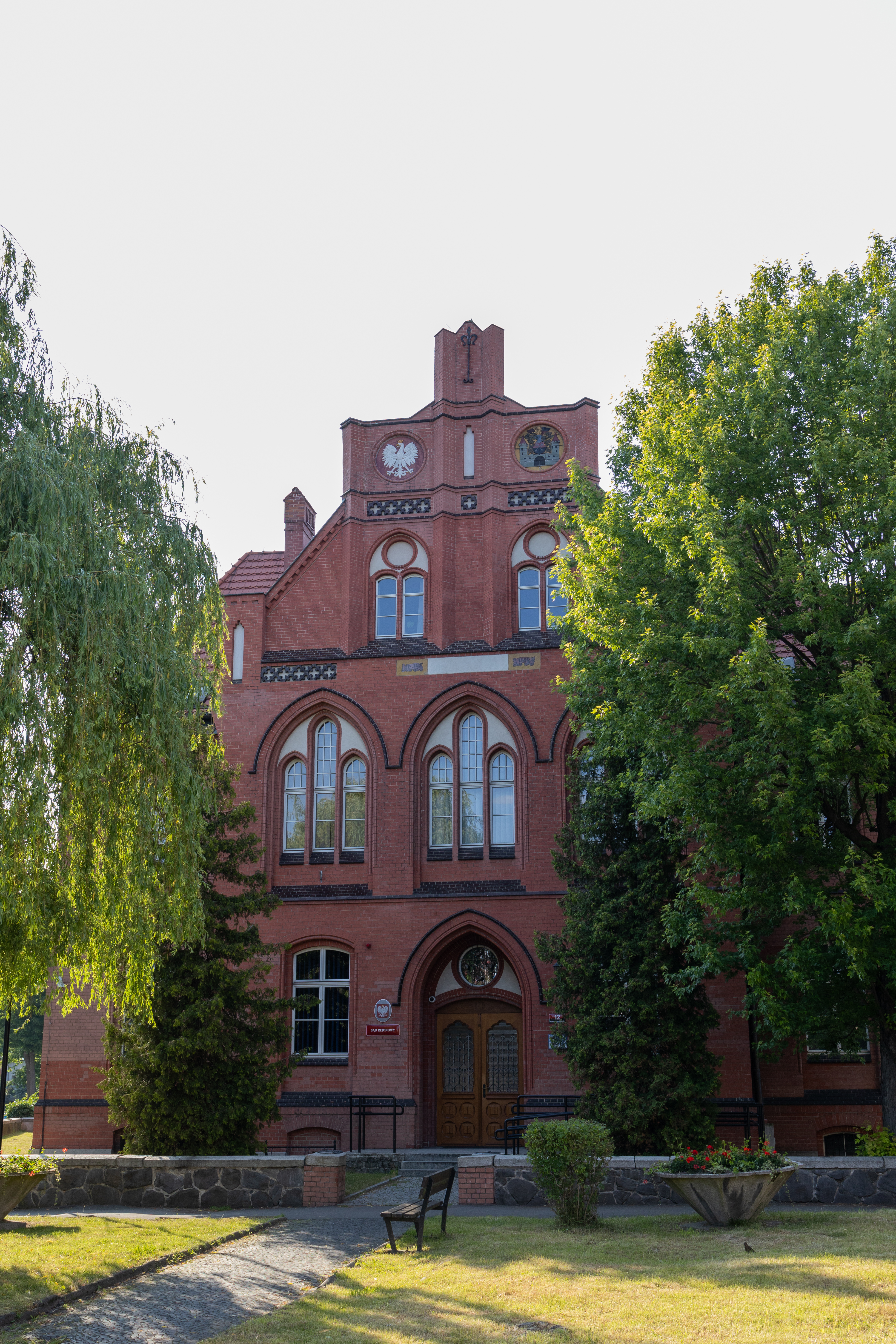
Town Prison Building
On the other side of the granary you can see the building of the district court from the mid-19th century with the adjoining building of the former prison. The courthouse and prison were completed in 1853 and originally housed juvenile male prisoners. Initially, young male prisoners were employed to work in the fields or, in winter, to weave baskets, chop wood or pluck feathers.
During the First World War, Aleksandra Szczerbińska, who later became Marshal Józef Piłsudski’s wife, was imprisoned here. During the Second World War, the Germans imprisoned here, among others, women from the French Resistance Movement, who were detained as part of the "Night and Fog" action. French women from the Lubań prison were later sent to the Ravensbruck concentration camp, where around 50,000 women of different nationalities died during the seven years the place was in operation.
After the Second World War, the building also served as a prison and later as a detention centre, which was finally decommissioned in 2018.
If you wish to stay in our city for a while, we invite you to continue your walk through the park on Kamienna Góra; on the way, do not miss the Evangelical Lutheran Church on Kombatantowa Street.
 Explore